Imagine landing your dream tech job without the hassle of endless cover letters or recruiter gatekeepers. This is the reality shaping 2026’s startup hiring landscape. Behind the scenes, AI-powered tools and evolving work models like remote and hybrid setups are shifting how startups scout and onboard talent. Our journey dives deep into these trends, uncovering the unexpected ways technology and human experience collide in hiring today.
The AI Hiring Goldrush: Transforming Talent Acquisition
The tech job market is experiencing an AI hiring goldrush, with startups and established companies alike racing to secure top talent using cutting-edge AI recruitment tools. As the demand for specialized skills soars, the way organizations find, evaluate, and hire candidates is being completely reimagined.
AI Recruiters: Scanning Hundreds of Millions in Seconds
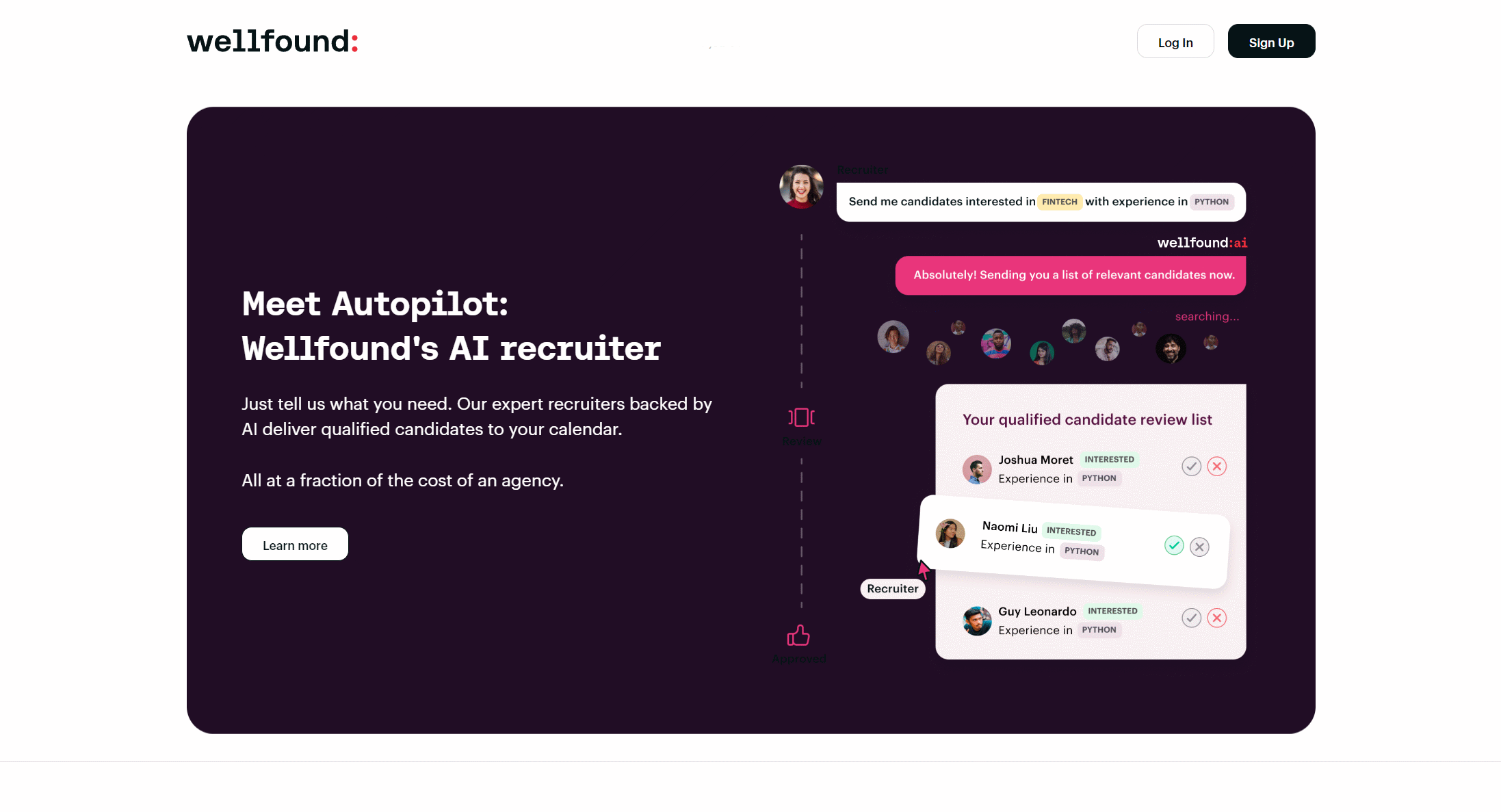
Today’s AI-powered recruiters, like Wellfound’s RecruiterCloud, are revolutionizing talent acquisition by scanning over 500 million candidates at lightning speed. This massive reach allows startups to discover hidden gems and connect with candidates who might otherwise be overlooked. As Jane Smith, a leading Talent Acquisition Expert, puts it:
“AI-driven recruitment is not just about speed, it’s about unlocking talent that would otherwise be overlooked.”
Automated Screening and Scheduling: Efficiency Meets Fairness
More than 55% of companies now use AI recruitment tools for resume screening and interviews. These systems automatically filter applications, match skills, and even schedule interviews—drastically reducing hiring timelines. By removing much of the manual work, AI minimizes human bias and ensures a more equitable process for all applicants. Candidates benefit from a streamlined experience, often applying with just one click and skipping traditional cover letters, while recruiters enjoy a lighter workload and higher-quality matches.
Surging Demand for Specialized Skills
Startups are increasingly focused on hiring for specialized skills demand, particularly in AI and machine learning. It’s projected that AI/ML specialists will make up 10-15% of startup hires by 2026. This shift is driven by the explosive growth of AI-driven products and services, making technical expertise in these areas more valuable than ever. Platforms like Wellfound cater to this trend by offering unique opportunities and direct connections to founders, bypassing third-party recruiters and giving candidates unprecedented transparency into salary, stock options, and company culture.
The Persistent Skills Gap
Despite the promise of AI in recruitment, a significant challenge remains: 77% of companies still struggle to find the right hires. The rapid pace of technological change has created a persistent skills gap, even as AI is expected to create 97 million new jobs globally by 2026. This reality underscores the need for continuous upskilling and adaptability among job seekers. Wellfound addresses this by providing salary research, negotiation tips, and curated lists of trending startups, empowering candidates to know their worth and target the most promising opportunities.
AI Recruitment Tools: The New Standard
-
AI recruiters scan vast candidate pools, drastically speeding up hiring timelines.
-
Automated resume screening and interview scheduling reduce bias and increase efficiency.
-
Startups are prioritizing AI/ML talent to meet surging market demand.
-
The skills gap persists, urging ongoing upskilling despite AI-driven job creation.
As the AI hiring goldrush accelerates, both startups and job seekers are leveraging advanced tools and platforms to stay ahead in a fiercely competitive market. The transformation is clear: AI is not just changing how companies hire—it’s redefining what it means to find and nurture talent in the tech industry.
Remote Work Stabilization: The New Normal at Startups
Remote work stabilization has become a defining force in today’s startup hiring trends. What began as a rapid response to global events has now solidified into a permanent shift, fundamentally changing the way startups operate and hire. According to recent data, 40% of new startup job positions are remote, with an additional 29% offering hybrid work options and 13% listed as fully remote roles. This evolution is not just a passing phase—it’s the new normal shaping the future of work in the tech sector.
Remote work isn’t a trend; it’s an established pillar of modern startup culture. – David Lee, Startup Founder
Startups are leading the charge in embracing remote work stabilization, recognizing that flexibility is now a top priority for job seekers. Platforms like Wellfound have made it easier than ever for candidates to connect directly with founders, view salary and stock options upfront, and apply to unique roles with just one click. This transparency and efficiency reflect the changing expectations of a workforce that values both autonomy and opportunity.
Remote and Hybrid Roles Dominate Startup Hiring
The numbers speak for themselves: remote and hybrid roles now constitute a significant share of startup job openings. This shift has blurred geographical boundaries, allowing startups to tap into a global talent pool that was previously out of reach. Whether it’s a software engineer in Berlin or a product designer in Buenos Aires, startups can now access top-tier talent regardless of location.
-
40% remote positions: Candidates can work from anywhere, giving startups access to a diverse range of skills and perspectives.
-
29% hybrid roles: These positions offer the best of both worlds—collaboration in the office and flexibility at home.
-
13% fully remote roles: For those who thrive outside traditional office environments, fully remote jobs are increasingly available.
This global reach is accelerating what many call global talent arbitrage, where startups can hire the best talent at competitive rates, regardless of geography. The result? A more dynamic, innovative, and competitive tech ecosystem.
Job Seekers Prioritize Flexibility and Culture
Today’s job seekers are clear about their priorities. Remote flexibility is no longer a perk—it’s a requirement. Candidates are using platforms like Wellfound to research salary ranges, compare company cultures, and find roles that align with their lifestyle and career ambitions. The ability to apply with a single click, without the need for cover letters, streamlines the process and puts the focus on skills and fit.
Hybrid models, while popular, also present new challenges and opportunities for startups. Building a strong team culture, maintaining communication, and ensuring productivity require intentional strategies and the right HR tools. Startups are responding by investing in applicant tracking systems, AI-driven recruitment, and company branding to attract and retain top talent in this new landscape.
Remote work stabilization is now a central topic in tech sector conversations. As startups continue to adapt, the focus remains on creating flexible, inclusive, and globally connected teams that drive innovation forward.
Early Stage Startups and Leaner Teams: Hiring with Precision
The landscape for early stage startups is shifting rapidly, especially as leaner teams become the new norm in the tech job market. With hiring rates converging around 27-30% across all funding stages for 2025-2026, startups are moving away from rapid expansion and toward a more strategic, precision-based approach to recruitment. This trend is driven by a heightened awareness of burn rates and the need to maximize every dollar spent on talent.
The Leaner Teams Trend: Quality Over Quantity
Gone are the days when startups hired in bulk, hoping to fill gaps with generalists. Today, the leaner teams trend is all about building compact, highly effective groups where each member brings unique, specialized skills to the table. As Emily Johnson, HR Consultant, puts it:
Startups today seek sharp, adaptable talent more than ever—generalists are giving way to specialists.
This shift means that early-stage startups are more selective than ever, focusing on candidates who can wear multiple hats but also deliver deep expertise in critical areas like AI, product development, and growth marketing. The result is a slower, more deliberate hiring process that prioritizes long-term impact over short-term headcount.
Precision Hiring: Tools and Tactics
To keep pace with the demands of leaner teams, startups are leveraging platforms like Wellfound to streamline the search for top talent. These tools allow founders and hiring managers to:
-
Connect directly with candidates, eliminating third-party recruiters and reducing friction.
-
Access transparent job details—salary, stock options, and benefits—upfront, attracting candidates who are serious about the opportunity.
-
Utilize AI-driven solutions like RecruiterCloud, which scans over 500 million profiles and delivers highly calibrated matches in days.
This tech-first approach ensures that every hire is a strategic fit, supporting both agility and growth without unnecessary overhead.
Entry Level Hiring: A Challenging Landscape
One of the most notable shifts in the current market is the significant reduction in entry level hiring. As startups focus on survival and sustainable growth, opportunities for junior engineers and early-career professionals have declined sharply. This reflects a broader change in workforce dynamics, where companies are less willing to invest in training and ramp-up time for new graduates.
For job seekers, this means that landing a first role at a startup is more competitive than ever. Standout candidates are those who can demonstrate not just potential, but immediately applicable skills and a proven ability to contribute to lean, high-performing teams.
Key Takeaways for Startups and Job Seekers
-
Startups: Focus on hiring specialists who can drive core business objectives, using AI-powered platforms to identify and connect with the right talent quickly.
-
Job Seekers: Highlight specialized skills and relevant experience in your profile—cover letters are out, and concise, data-driven applications are in.
As the leaner teams trend continues, both startups and candidates must adapt to a market where precision, specialization, and agility are the keys to success.
Compensation Transparency and Career Growth Insights
In today’s AI-driven tech job market, compensation transparency has become a powerful magnet for top talent. Modern job seekers expect to see clear, upfront salary and benefits information before they even consider applying. Platforms like Wellfound are leading the way by providing candidates with everything they need to know—salary ranges, stock options, and benefits—right from the start. This shift not only reduces guesswork but also empowers candidates to make informed decisions about their next career move.
Data-Driven Salary and Stock Option Insights
Access to data-driven salary and stock option insights is transforming how candidates approach job offers. Instead of relying on vague promises or hidden compensation details, job seekers can now benchmark their expectations against real market data. For example, current salary ranges for in-demand roles are:
-
AI/ML Engineers: $240k–$280k
-
Platform Engineers: $180k–$210k
-
Security Engineers: $175k–$200k
This level of transparency allows candidates to negotiate with confidence, knowing exactly where they stand in the market. As Michael Chen, Compensation Analyst, puts it:
Transparency in compensation builds trust from day one, ensuring a better match for both sides.
Upfront Pay Information: A Win for Both Sides
Startups are increasingly adopting a transparent pay range approach, listing salary and equity details directly in job postings. This not only attracts high-quality candidates but also streamlines the hiring process. By eliminating ambiguity, startups reduce the risk of mismatched expectations and foster a culture of trust from the outset.
For job seekers, this means less time spent on applications that don’t meet their needs. For employers, it means attracting applicants who are genuinely interested and aligned with the company’s compensation philosophy. The result is a more efficient, positive hiring experience for everyone involved.
Compensation Benchmarking: Staying Competitive in a Tight Market
With the rapid growth in tech roles—especially in AI, machine learning, and platform security—compensation benchmarking is more important than ever. Startups use real-time market data to set competitive salary ranges, ensuring they don’t lose out on top talent to larger companies or other high-growth startups. This practice is especially critical for roles where demand far outpaces supply, such as AI/ML engineers and security specialists.
Simplified Applications and Career Growth Insights
Today’s job seekers value efficiency. Platforms like Wellfound have eliminated the need for traditional cover letters, allowing candidates to apply with a single click using a detailed profile. This not only saves time but also showcases skills and experience in a format that’s easy for recruiters to review.
Additionally, transparent compensation and clear career growth insights help candidates evaluate potential employers more effectively. By understanding salary ranges, equity options, and benefits upfront, job seekers can focus on opportunities that truly align with their career goals and financial expectations.
Ultimately, the combination of compensation transparency, robust compensation benchmarking, and streamlined applications is reshaping how startups and tech professionals connect—making the hiring process smarter, faster, and more rewarding for everyone.
Wild Card: Lessons from Women-Led Startups and Emerging Tech Sectors
As the tech job market continues to evolve, women-led startups and emerging tech sectors are rewriting the rules of hiring and innovation. In the United States alone, women-led businesses now generate over $1.8 trillion in economic activity, a testament to the transformative power of diversity in leadership. This surge is not just a statistic—it’s a signal that diversity and inclusion are no longer optional; they are essential drivers of growth and creativity in the startup world.
Today’s most dynamic tech fields, including NewSpace and Crypto, are prime examples of how emerging tech sectors are attracting top talent and shaping the future of work. Startups in these industries are not only pushing the boundaries of what’s possible but are also redefining how and where work happens. With over 20 innovative space startups and 19 hot crypto startups hiring remotely in recent years, the opportunities for talent are more accessible—and more global—than ever before.
Remote flexibility opportunities are at the heart of this transformation. By embracing remote and hybrid work models, women-led startups and companies in emerging sectors are breaking down traditional geographic and demographic barriers. This approach allows them to tap into a broader, more diverse talent pool, fostering teams that are as innovative as the technologies they build. As Sophia Martinez, a leading diversity advocate, puts it:
Diversity isn’t just a buzzword; it’s the engine of startup innovation.
Platforms like Wellfound are amplifying these trends by connecting job seekers directly with founders and hiring teams at top startups. The platform’s transparent approach—showcasing salary, stock options, and company culture upfront—empowers candidates to make informed decisions and encourages startups to prioritize inclusivity from the very first interaction. For recruiters, tools like AI-powered applicant tracking and candidate matching are streamlining the hiring process, making it easier to build diverse, high-performing teams in record time.
But as AI-driven recruitment becomes the norm, an intriguing question emerges: What if every startup adopted AI recruiters? Would diversity multiply or narrow? The answer depends on how these technologies are designed and used. When built with inclusion in mind, AI can help eliminate unconscious bias, surface non-traditional candidates, and ensure fairer hiring practices. However, if not carefully calibrated, AI could unintentionally reinforce existing disparities. The lesson from women-led startups and pioneering tech companies is clear: technology must be paired with a genuine commitment to diversity and inclusion to unlock its full potential.
Looking ahead, the influence of women-led startups and emerging tech sectors will only grow stronger. Their leadership in remote flexibility opportunities, inclusive hiring, and innovative business models is setting new standards for the entire industry. As startups continue to embrace AI-driven recruitment and remote work, the most successful teams will be those that prioritize diversity—not just as a value, but as a core strategy for building the future of tech.
In conclusion, the rise of women-led startups and the momentum in emerging tech sectors are reshaping the AI-driven job market. By championing diversity, leveraging remote flexibility, and thoughtfully integrating AI into hiring, these trailblazers are creating a more inclusive, innovative, and opportunity-rich landscape for everyone.
TL;DR: Startups in 2026 embrace AI-driven recruitment and remote work, creating faster, smarter hiring processes. Tech job seekers benefit from transparent pay, unique startup roles, and less paperwork, while recruiters tap AI tools to find specialized talent, facing challenges like skills gaps and leaner teams.