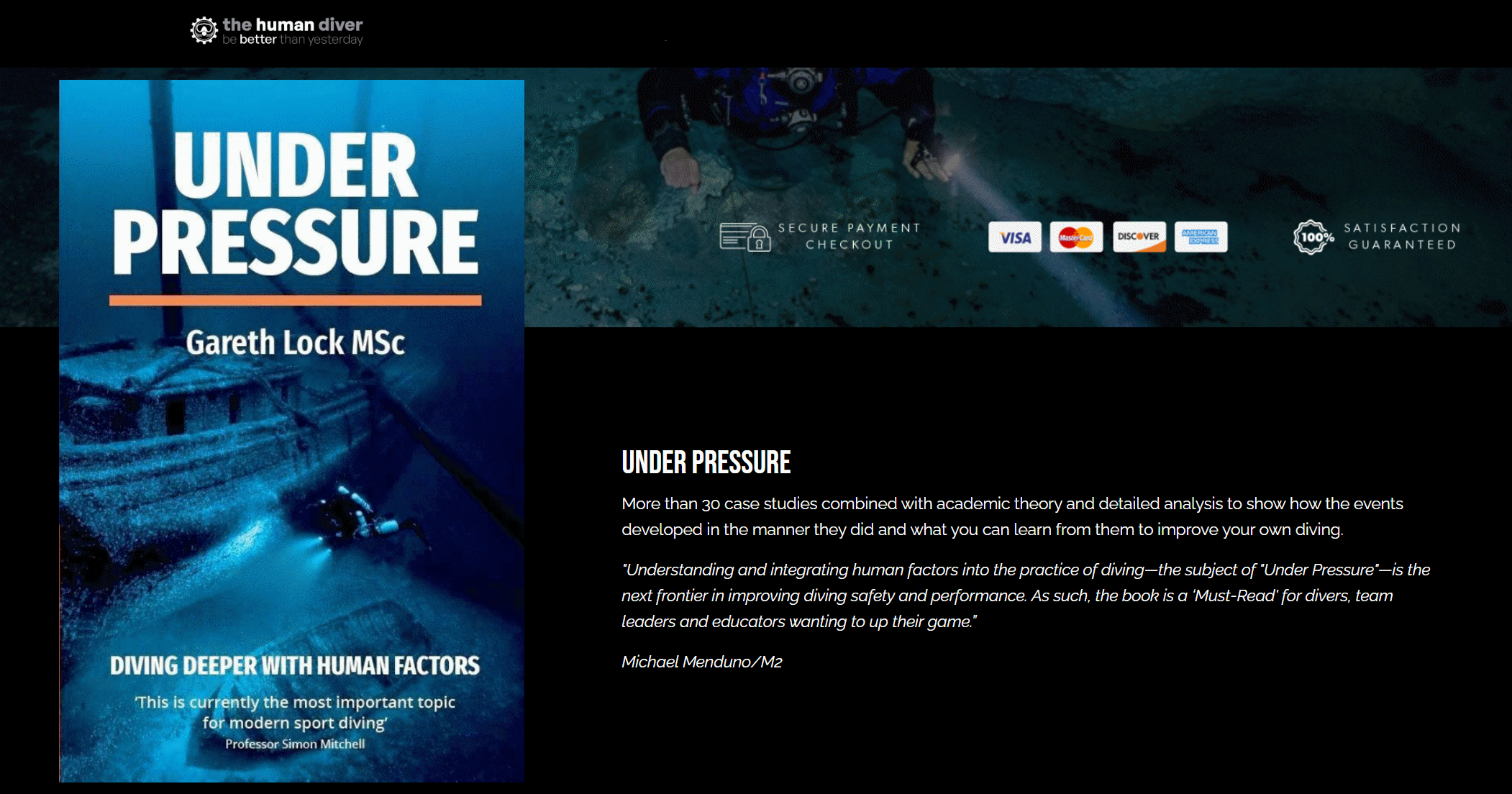
Back in the day, when Gareth Lock first started diving, he expected most mishaps would involve a tangled hose or a faulty O-ring. But after a close call in a low-visibility canyon—where everyone had the right gear, yet a simple misheard signal nearly turned disastrous—it became clear: the greatest risk wasn’t the equipment, it was the human element. In the years since, Lock’s ‘Under Pressure’ has emerged as the blueprint for a new era in diving, forcing divers everywhere to rethink what it really means to be ‘safe’ below the surface. This isn’t just another how-to manual; it’s the missing chapter in diving safety.
1. Accidents Aren’t Just ‘Bad Luck’: The Real Dive Danger No One Talks About
When it comes to diving accident statistics, the numbers are clear—and they’re sobering. According to the latest Diving Fatalities Report, over 90% of diving fatalities can be traced back to diver error rather than equipment failure or unpredictable conditions. This means that most accidents are not simply “bad luck.” Instead, they are the result of small, everyday decisions and habits that spiral into emergencies underwater.
Gareth Lock’s groundbreaking book, Under Pressure: Diving Deeper with Human Factors, is shining a spotlight on this uncomfortable truth. Drawing on more than 30 real-world case studies—including stories from elite divers like Jill Heinerth and Steve Bogaerts—Lock reveals how even the most experienced professionals are vulnerable to the same types of mistakes as beginners. These stories challenge the myth that skill or experience alone can prevent mishaps.
Diving Fatalities Report: The Human Error Pattern
The Diving Fatalities Report consistently highlights a few common disabling agents:
-
Emergency ascents
-
Insufficient gas supply
-
Poor buoyancy control
-
Miscommunication between buddies
These issues are rarely caused by faulty gear. Instead, they are the result of rushed buddy checks, misunderstood hand signals, or overlooked safety steps—classic examples of human error in diving.
Case Studies: Mistakes Happen to Everyone
Lock’s detailed case studies make it clear: no one is immune. Jill Heinerth, a world-renowned cave diver, and Steve Bogaerts, a technical diving pioneer, both share near-miss stories that started with simple, seemingly harmless decisions. These incidents didn’t occur because they lacked skill or knowledge. Rather, they happened because of small lapses in judgment, communication, or attention—mistakes that could happen to anyone.
The Systemic Gap: Protocols vs. Practice
One of the most overlooked dangers in diving safety training is the gap between what’s written in manuals and what actually happens underwater. Lock points out that divers often “normalize” shortcuts or risky behaviors because they’ve gotten away with them before. Feedback channels are weak, and the culture often punishes mistakes instead of analyzing them. As Lock puts it:
“We don’t learn from diving fatalities and here’s why: the culture punishes mistakes instead of analyzing them.” – Gareth Lock
This culture of silence means that valuable lessons are lost, and the same errors are repeated year after year. The Diving Fatalities Report shows that these patterns are rarely addressed in traditional training, leaving divers exposed to preventable risks.
Under Pressure is changing the conversation by encouraging open discussion, honest reflection, and practical strategies for improving non-technical skills. By focusing on the real causes behind accidents, Lock’s work is helping divers everywhere move beyond the myth of “bad luck” and take control of their own safety.
2. Beyond the Blame Game: Why ‘Just Culture’ Could Save Your Life (and Make Diving Fun Again)
For decades, the diving world has quietly swept mistakes under the rug, fearing blame and punishment. But “Under Pressure: Diving Deeper with Human Factors” by Gareth Lock is turning that old mindset on its head—introducing the groundbreaking concept of Just Culture Diving Training to the heart of the Diving Safety Culture.
What Is ‘Just Culture’ in Diving?
Borrowed from high-reliability industries like aviation and healthcare, just culture means creating an environment where divers can talk honestly about errors without fear of retribution. Instead of pointing fingers, the focus shifts to understanding why mistakes happen and how everyone can learn from them. This approach is at the core of Human Factors Diving Safety—and it’s saving lives.
Turning Accidents Into Learning Opportunities
Lock’s book is packed with over 30 real-world case studies, showing that even elite divers and instructors can make errors. What sets these stories apart is how they’re used: not as cautionary tales to shame, but as powerful lessons. By openly sharing what went wrong, divers transform accidents into crucial learning opportunities, not secrets to hide. This transparency helps the entire Diving Community Support system identify emerging risks and refine best practices—making every dive safer for everyone.
“A genuine game changer and indispensable to every diver’s library.” – Michael Menduno (M2)
Building a Supportive Community—Online and Off
One of the most innovative features of “Under Pressure” is its exclusive online discussion group. Here, divers from around the world swap real tales of failures, triumphs, and personal growth. This global network fosters collective storytelling and support, breaking down the isolation that often follows an incident. As more divers join the conversation, the community’s shared knowledge grows—creating a living resource that benefits both new and seasoned divers alike.
Changing the Way Divers Are Trained
Training agencies are taking notice. Many are now weaving human factors and just culture principles into their certification processes, inspired by Lock’s actionable frameworks. Exercises in the book help teams build psychological safety, improve communication, and develop the “soft skills” that often make the difference between a close call and a tragedy. These skills are now recognized as essential, not optional, for anyone serious about diving safety.
-
Just culture normalizes honest, non-punitive discussion about mistakes.
-
Open sharing turns accidents into learning opportunities, not secrets to hide.
-
Online forums and communities let divers share real stories and support each other.
-
Training agencies are integrating human factors and just culture into their programs.
Endorsed by industry leaders like Mark Powell, Brando Schwartz, and Michael Menduno, Gareth Lock’s approach is more than a trend—it’s a movement. By embracing Just Culture Diving Training and open communication, the diving community is not just making the sport safer—it’s making it fun again.
3. It’s Not All About Tech: The Soft Skills that Actually Save Lives
When it comes to diving safety, most people think of advanced gear, high-tech computers, or the latest rebreather. But as Gareth Lock’s “Under Pressure: Diving Deeper with Human Factors” reveals, the real game-changer isn’t a gadget—it’s the human element. In fact, soft skills like situational awareness diving, decision-making, and leadership are often what make the difference between a close call and a tragedy underwater.
Why Soft Skills Matter More Than Gear
Lock’s groundbreaking approach flips the script on traditional diver education. Instead of focusing solely on equipment or decompression theory, he shines a light on the “Human Factor”—the subtle, everyday decisions and habits that can make or break a dive. Through more than 30 real-world case studies, including stories from diving legends like Jill Heinerth and Steve Bogaerts, Lock shows how even the most experienced divers are vulnerable to human error.
Technical diving icons such as Ellen Cuylaerts, Chantelle Taylor-Newman, and Steve Millard strongly endorse this shift. As Cuylaerts puts it:
“Leadership and communication aren’t optional add-ons—they’re what keep teams alive.”
Core Soft Skills That Save Lives
-
Situational Awareness Diving: Recognizing subtle changes in the environment, equipment, or a teammate’s behavior before they escalate.
-
Diving Leadership Communication: Clear, assertive communication—both giving and receiving feedback—keeps everyone on the same page and prevents misunderstandings.
-
Human Factors Diving: Understanding how perception, bias, and psychological safety impact every decision underwater.
-
Diving Performance Improvement: Proactively learning from mistakes and sharing lessons openly, rather than hiding errors.
Real-World Lessons and Practice
What sets “Under Pressure” apart is its practical, hands-on approach. Each chapter ends with exercises designed to help divers practice these non-technical abilities—something rarely found in traditional manuals. For example, one exercise might ask divers to reflect on a time they misread a buddy’s stress level, and how better communication could have changed the outcome. These stories and activities make the lessons stick, turning theory into life-saving habits.
Lock’s book also introduces concepts like the “GUE method” and systems thinking, which are quickly gaining traction in the wider diving community. By applying lessons from high-reliability industries like aviation and medicine, divers learn to spot risks early, manage team dynamics, and make smarter decisions—even under pressure.
Building a Culture of Psychological Safety
Perhaps most importantly, “Under Pressure” advocates for a “Just Culture”—an environment where divers can discuss mistakes without fear of blame. This open, non-punitive approach is essential for diving performance improvement and reducing accidents, especially in high-risk activities like cave diving and rebreather use.
By prioritizing soft skills, Lock’s work is changing the way the entire industry thinks about safety. The message is clear: mastering your gear is important, but mastering yourself—and your interactions with others—can truly save lives.
4. Cave Diving, Rebreathers, and the Edge of Exploration: Human Factors When the Stakes Are Highest
Technical diving and the use of Closed Circuit Rebreathers (CCR) have opened up new frontiers for underwater exploration, but they also introduce a unique set of hazards. As Gareth Lock details in Under Pressure: Diving Deeper with Human Factors, these risks go far beyond equipment complexity—they are deeply rooted in human behavior, decision-making, and the subtle pressures that influence diver actions. The book’s focus on Rebreather Safety and Diving Education Human Error is reshaping how divers and instructors approach the most challenging environments.
It’s a sobering fact: rebreather diving carries a higher fatality rate than open circuit diving. This isn’t just about mechanical failure. As Steve Bogaerts, a world-renowned cave explorer, puts it:
“Rebreather diving is unforgiving—overlooking the human factor even once can be fatal.”
Lock’s analysis reveals that overconfidence, normalization of deviance, and the pressure to perform can be just as dangerous as any technical malfunction. Normalization of deviance diving—where small rule-bending becomes routine—can lead to disaster, especially in high-risk settings like caves or deep wrecks. Real-world case studies from elite explorers like Jill Heinerth and Richard Lundgren highlight how even seasoned professionals can fall into these traps.
Systems Thinking: Learning from High-Reliability Industries
Drawing from his background in military aviation, Lock introduces systems thinking—a method used in aviation, medicine, and nuclear power to anticipate and manage the unexpected. This approach encourages divers to look beyond individual mistakes and see how small decisions, team dynamics, and environmental factors interact. By applying these principles, divers can better plan for emergencies and avoid the pitfalls of complacency.
Rebreather Safety: Beyond the Manual
Lock’s book goes beyond traditional training by addressing the “soft skills” that are often overlooked in technical courses. Communication, situational awareness, and psychological safety are shown to be just as critical as mastering the mechanics of a CCR. The GUE method and Lock’s actionable frameworks help divers recognize and challenge unsafe habits before they become normalized.
-
Case studies reveal how small lapses in protocol can escalate quickly underwater.
-
Peer pressure and the drive to “keep up” can cloud judgment, especially in teams.
-
Just Culture and open discussion of mistakes are essential for real learning and improvement.
By making Under Pressure required pre-course reading, some training agencies are ensuring that the next generation of divers is equipped not just with technical know-how, but with the self-awareness and team skills needed to thrive where the stakes are highest. The book’s availability in multiple languages, including Polish, and its global endorsements make it a cornerstone for anyone serious about rebreather safety and reducing diving education human error.

5. From Checklists to Community: Rethinking What Keeps Us Safe
Traditional diving safety has long relied on static checklists and rigid protocols. While these tools are essential, “Under Pressure: Diving Deeper with Human Factors” by Gareth Lock reveals their limitations—especially when it comes to unpredictable human behavior and the subtle, unspoken dynamics within dive teams. Lock’s groundbreaking approach to Diving Safety Training and Diving Community Support moves beyond the checklist, urging divers to embrace a proactive, team-centered attitude toward risk—one that is learned through experience, reflection, and open conversation, not just memorized from a manual.
Lock’s message is clear: true safety in diving is not just about ticking boxes. It’s about understanding how Diving Education Human Error and human factors shape every decision underwater. Even the most experienced divers can make mistakes, and it’s how we respond to these errors—by sharing, discussing, and learning from them—that truly keeps us safe. This philosophy is echoed by industry leaders, with Richie Kohler stating,
“The only thing more vital than the gear on your back is the conversation you have after the dive.”
“Under Pressure” stands out by blending lessons from high-reliability industries like aviation and medicine, showing that the best safety systems are those that encourage transparent incident reporting and shared learning. The book’s structure—complete with clear learning objectives, knowledge checks, and real-life case studies—ensures that lessons are not only taught but retained. Each chapter invites readers to reflect on their own experiences, fostering a culture where mistakes are seen as opportunities for growth, not reasons for blame.
What truly sets Lock’s work apart is its focus on Human Factors Diving Safety and the power of community. The exclusive online group offered to readers is more than a forum—it’s a thriving global network where divers at every level share stories of success, failure, and lessons learned. This sense of community support is transforming the way divers approach safety, making collective wisdom and open discussion the new standard. As Lock’s military, technical, and recreational background bridges gaps across the diving world, his insights are both relatable and practical for every diver, instructor, and agency.
By positioning community and proactive learning at the heart of Diving Safety Training, “Under Pressure” is not just a book—it’s a movement. It’s referenced as a system, not just a manual, and is now offered with special rates for instructors and agencies, making it accessible for those who shape the next generation of divers. Available worldwide in print, digital, and audio formats, and now in Polish, the book’s reach is as global as its message.
In the end, the future of diving safety belongs to communities that value open discussion, shared learning, and the courage to talk about what went wrong. “Under Pressure” is helping build a safer, smarter, and more connected diving culture—one conversation at a time.
TL;DR: Gareth Lock’s ‘Under Pressure’ flips traditional diving safety on its head—making human factors, not just equipment or theory, the center of elite performance. For both rookies and instructors looking to cut risk and maximize enjoyment, this book is the game-changer the diving world didn’t know it needed.